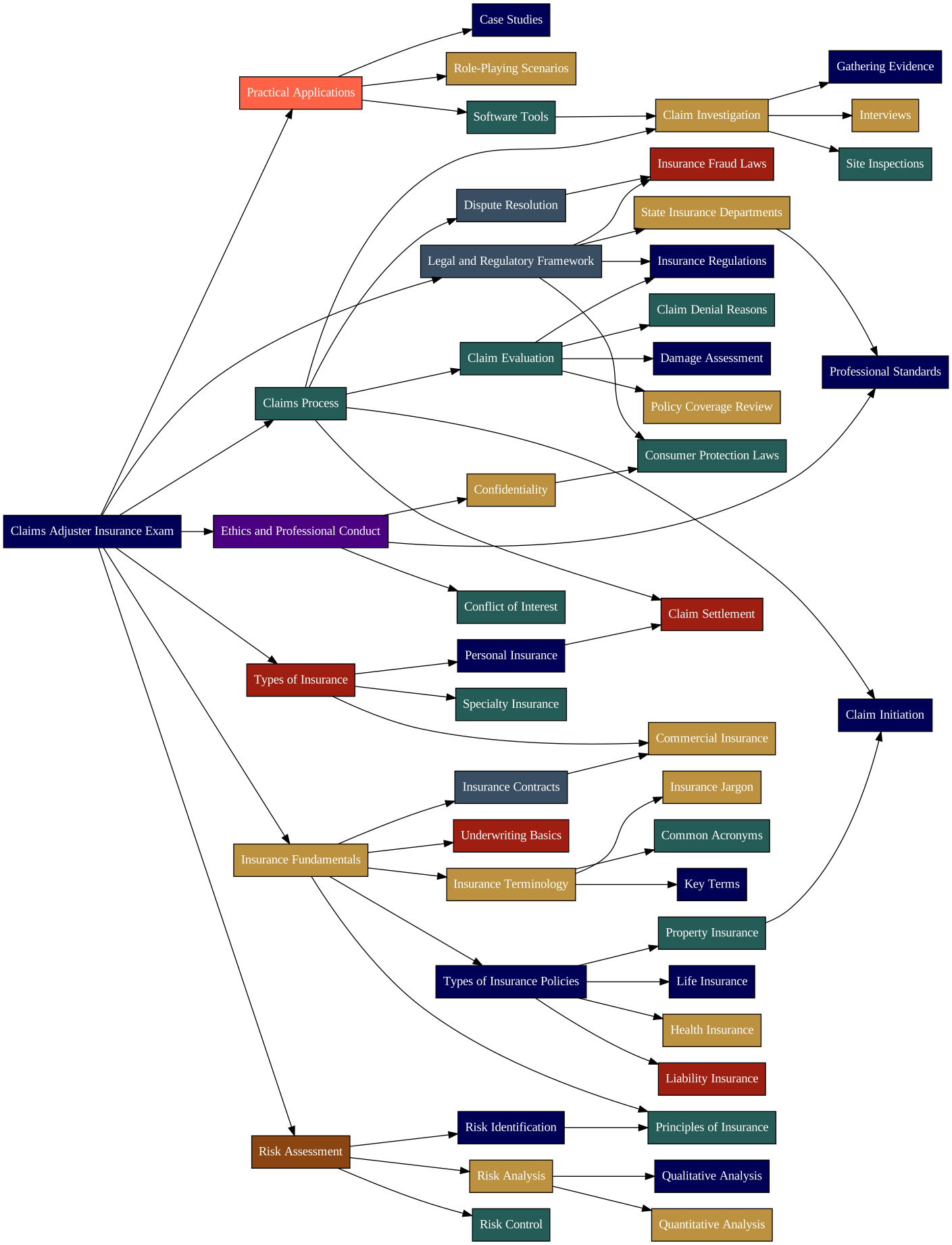
Quiz-summary
0 of 30 questions completed
Questions:
- 1
- 2
- 3
- 4
- 5
- 6
- 7
- 8
- 9
- 10
- 11
- 12
- 13
- 14
- 15
- 16
- 17
- 18
- 19
- 20
- 21
- 22
- 23
- 24
- 25
- 26
- 27
- 28
- 29
- 30
Information
Premium Practice Questions
You have already completed the quiz before. Hence you can not start it again.
Quiz is loading...
You must sign in or sign up to start the quiz.
You have to finish following quiz, to start this quiz:
Results
0 of 30 questions answered correctly
Your time:
Time has elapsed
You have reached 0 of 0 points, (0)
Categories
- Not categorized 0%
- 1
- 2
- 3
- 4
- 5
- 6
- 7
- 8
- 9
- 10
- 11
- 12
- 13
- 14
- 15
- 16
- 17
- 18
- 19
- 20
- 21
- 22
- 23
- 24
- 25
- 26
- 27
- 28
- 29
- 30
- Answered
- Review
-
Question 1 of 30
1. Question
In the context of New Mexico’s surplus lines insurance market, how would you approach the process of assessing risks for a new client seeking coverage for a complex manufacturing operation that includes multiple locations and specialized equipment? Consider the various factors that would contribute to your evaluation, such as the nature of the operations, recent industry trends, and the specific environmental concerns related to those locations. What best practices should be employed to ensure a comprehensive understanding of both the internal and external risk factors?
Correct
In the realm of surplus lines insurance in New Mexico, risk assessment plays a critical role in ensuring that unique and complex risks are properly evaluated and managed. The process involves identifying, analyzing, and prioritizing risks that may be associated with insuring a particular entity or property. One essential aspect of risk management is understanding the nature and source of these risks, which can stem from various factors such as business operations, environmental conditions, or market volatility. In surplus lines insurance, which provides coverage not available in the standard market, insurers must rely on specialized underwriting guidelines that account for these unique risks. Effective risk assessment not only helps in determining the appropriate pricing and coverage options but also aids in establishing necessary policy terms and conditions. This emphasizes the importance of a thorough risk analysis that includes qualitative assessments of the risk environment and quantitative evaluations, where applicable. Consequently, the goal is to arrive at a comprehensive understanding that informs the underwriting decision, thereby mitigating exposure to potential losses while ensuring adequate coverage for policyholders.
Incorrect
In the realm of surplus lines insurance in New Mexico, risk assessment plays a critical role in ensuring that unique and complex risks are properly evaluated and managed. The process involves identifying, analyzing, and prioritizing risks that may be associated with insuring a particular entity or property. One essential aspect of risk management is understanding the nature and source of these risks, which can stem from various factors such as business operations, environmental conditions, or market volatility. In surplus lines insurance, which provides coverage not available in the standard market, insurers must rely on specialized underwriting guidelines that account for these unique risks. Effective risk assessment not only helps in determining the appropriate pricing and coverage options but also aids in establishing necessary policy terms and conditions. This emphasizes the importance of a thorough risk analysis that includes qualitative assessments of the risk environment and quantitative evaluations, where applicable. Consequently, the goal is to arrive at a comprehensive understanding that informs the underwriting decision, thereby mitigating exposure to potential losses while ensuring adequate coverage for policyholders.
-
Question 2 of 30
2. Question
When you are faced with a business client in New Mexico who requires coverage for unique risks associated with operating heavy machinery, what key aspect should you consider when recommending surplus lines insurance as a viable option? It is essential to evaluate the circumstances in which a surplus lines policy would be appropriate, especially in terms of regulatory compliance and the nature of coverage that standard insurers might overlook. As you assess the client’s situation, identifying how surplus lines can provide tailored coverage will be crucial for their specific operational needs.
Correct
In the context of surplus lines insurance, particularly within New Mexico, commercial property insurance plays a vital role in covering unique risks that standard insurance markets may not adequately address. Surplus lines insurance is often utilized by businesses with specialized coverage needs, often due to the nature of their operations or the type of property they hold. For instance, if a manufacturing company operates machinery that poses higher risks than what conventional insurers are willing to underwrite, it might seek coverage from a surplus lines insurer. One critical aspect of surplus lines insurance is that policies can be customized to fit the specific needs of a business. This flexibility can include broader coverage options, higher limits, or endorsements that align with the operational risks a business faces. However, it’s crucial to note that surplus lines coverage must comply with New Mexico state regulations, including the requirement for surplus lines brokers to ensure that the insurance purchased is not available in the admitted market. Additionally, these brokers must conduct thorough due diligence to ascertain the financial stability and reliability of the surplus lines insurers. Understanding the unique characteristics and regulatory framework governing surplus lines commercial property insurance is essential for professionals in the field.
Incorrect
In the context of surplus lines insurance, particularly within New Mexico, commercial property insurance plays a vital role in covering unique risks that standard insurance markets may not adequately address. Surplus lines insurance is often utilized by businesses with specialized coverage needs, often due to the nature of their operations or the type of property they hold. For instance, if a manufacturing company operates machinery that poses higher risks than what conventional insurers are willing to underwrite, it might seek coverage from a surplus lines insurer. One critical aspect of surplus lines insurance is that policies can be customized to fit the specific needs of a business. This flexibility can include broader coverage options, higher limits, or endorsements that align with the operational risks a business faces. However, it’s crucial to note that surplus lines coverage must comply with New Mexico state regulations, including the requirement for surplus lines brokers to ensure that the insurance purchased is not available in the admitted market. Additionally, these brokers must conduct thorough due diligence to ascertain the financial stability and reliability of the surplus lines insurers. Understanding the unique characteristics and regulatory framework governing surplus lines commercial property insurance is essential for professionals in the field.
-
Question 3 of 30
3. Question
When analyzing the differences between standard and surplus lines insurance in New Mexico, how can one accurately characterize the scenarios in which each type of coverage is utilized? Consider the implications for risk management and regulatory compliance that emerge from choosing one over the other.
Correct
The distinction between standard and surplus lines insurance is pivotal for agents and brokers operating in New Mexico’s unique regulatory environment. Standard lines insurance refers to coverage that is available from licensed insurers who are authorized to do business within the state. These insurers must adhere to strict underwriting guidelines and state-imposed rates, thereby offering predictable terms and conditions. Surplus lines insurance, on the other hand, provides coverage through non-admitted carriers, which are not licensed in New Mexico but are allowed to operate under specific circumstances. This type of insurance is typically pursued when standard market carriers cannot accommodate the risk due to its unique nature or higher associated hazards. As a result, surplus lines policies often provide more flexibility in coverage options and underwriting criteria, making them attractive for certain specialized risks. However, surplus lines consumers must also navigate additional regulations, such as ensuring that the surplus lines broker is properly licensed and that the insured is aware of the non-admitted status of their policy. Understanding these nuances is essential for compliance and effective risk management.
Incorrect
The distinction between standard and surplus lines insurance is pivotal for agents and brokers operating in New Mexico’s unique regulatory environment. Standard lines insurance refers to coverage that is available from licensed insurers who are authorized to do business within the state. These insurers must adhere to strict underwriting guidelines and state-imposed rates, thereby offering predictable terms and conditions. Surplus lines insurance, on the other hand, provides coverage through non-admitted carriers, which are not licensed in New Mexico but are allowed to operate under specific circumstances. This type of insurance is typically pursued when standard market carriers cannot accommodate the risk due to its unique nature or higher associated hazards. As a result, surplus lines policies often provide more flexibility in coverage options and underwriting criteria, making them attractive for certain specialized risks. However, surplus lines consumers must also navigate additional regulations, such as ensuring that the surplus lines broker is properly licensed and that the insured is aware of the non-admitted status of their policy. Understanding these nuances is essential for compliance and effective risk management.
-
Question 4 of 30
4. Question
In the context of New Mexico’s insurance landscape, you are faced with a scenario where a client requires coverage for a specialized manufacturing operation that poses unique risks not typically accepted by standard insurers. Given this context, how would you characterize the preferred insurance option for such a situation, considering the regulatory framework governing surplus lines insurance in New Mexico?
Correct
In the realm of insurance, understanding the distinctions between standard and surplus lines insurance is critical for ensuring compliance with regulatory standards and effectively addressing clients’ needs. Standard lines insurance is generally offered by licensed insurers and adheres to state regulations, providing coverage that is widely available and structured within the parameters of state-approved rates and forms. These policies are commonly utilized in straightforward risk scenarios, where the underwriting standards are well established. On the other hand, surplus lines insurance caters to unique or higher-risk situations that traditional insurers may not cover due to concerns about profitability or underwriting guidelines. In New Mexico, surplus lines can only be placed with licensed surplus lines insurers, which possess a special licensing that allows them to operate outside the standard regulatory framework. Hence, agents must adhere to specific state laws and regulations when placing surplus lines, including ensuring that the risks are not otherwise insurable in the standard market and that proper forms are filed with the state. Understanding these distinctions is essential for an agent navigating the complexities of insurance offerings in New Mexico.
Incorrect
In the realm of insurance, understanding the distinctions between standard and surplus lines insurance is critical for ensuring compliance with regulatory standards and effectively addressing clients’ needs. Standard lines insurance is generally offered by licensed insurers and adheres to state regulations, providing coverage that is widely available and structured within the parameters of state-approved rates and forms. These policies are commonly utilized in straightforward risk scenarios, where the underwriting standards are well established. On the other hand, surplus lines insurance caters to unique or higher-risk situations that traditional insurers may not cover due to concerns about profitability or underwriting guidelines. In New Mexico, surplus lines can only be placed with licensed surplus lines insurers, which possess a special licensing that allows them to operate outside the standard regulatory framework. Hence, agents must adhere to specific state laws and regulations when placing surplus lines, including ensuring that the risks are not otherwise insurable in the standard market and that proper forms are filed with the state. Understanding these distinctions is essential for an agent navigating the complexities of insurance offerings in New Mexico.
-
Question 5 of 30
5. Question
A critical incident occurs where a business owner in New Mexico approaches a surplus lines broker seeking coverage for a high-risk manufacturing facility that has been rejected by several admitted carriers. The broker must decide whether to proceed with obtaining surplus lines coverage. In this process, what fundamental regulatory requirement must the broker fulfill to ensure compliance with New Mexico surplus lines insurance laws before placing coverage with a non-admitted insurer?
Correct
Surplus lines insurance is a crucial component of the insurance market, particularly in contexts where traditional insurers cannot or will not provide coverage. In New Mexico, surplus lines coverage is often utilized for unique risks or industries, such as environmental liability or high-value properties that fall outside the purview of standard insurers. The New Mexico Surplus Lines Insurance Law mandates that surplus lines brokers must conduct a diligent search of the licensed markets before placing coverage with an unlicensed insurer. This is to ensure that all options within the admitted market have been exhausted. If a broker fails to document this process, they could face regulatory scrutiny or penalties. Furthermore, brokers must also inform clients that they are purchasing coverage from a non-admitted insurer, which offers less regulatory protection than licensed carriers. Understanding these nuances helps brokers navigate the market and advise clients appropriately, highlighting the importance of compliance with both state regulations and ethical standards in the provision of surplus lines insurance.
Incorrect
Surplus lines insurance is a crucial component of the insurance market, particularly in contexts where traditional insurers cannot or will not provide coverage. In New Mexico, surplus lines coverage is often utilized for unique risks or industries, such as environmental liability or high-value properties that fall outside the purview of standard insurers. The New Mexico Surplus Lines Insurance Law mandates that surplus lines brokers must conduct a diligent search of the licensed markets before placing coverage with an unlicensed insurer. This is to ensure that all options within the admitted market have been exhausted. If a broker fails to document this process, they could face regulatory scrutiny or penalties. Furthermore, brokers must also inform clients that they are purchasing coverage from a non-admitted insurer, which offers less regulatory protection than licensed carriers. Understanding these nuances helps brokers navigate the market and advise clients appropriately, highlighting the importance of compliance with both state regulations and ethical standards in the provision of surplus lines insurance.
-
Question 6 of 30
6. Question
When considering the operational functions of the Surplus Lines Association in New Mexico, how does the association support surplus lines brokers in navigating the complexities of the insurance market? Specifically, what mechanisms are in place to ensure compliance with state regulations and promote ethical conduct within the industry? Understanding these aspects is vital for brokers as they seek to provide appropriate insurance solutions for unique risks.
Correct
The Surplus Lines Association plays a crucial role in facilitating the placement of risks that are not typically accepted by standard insurance markets. In New Mexico, the association works to ensure that surplus lines brokers comply with state regulations while providing access to coverage options for unique or high-risk situations. This organization assists in the education and oversight of brokers, promoting ethical practices and adherence to state insurance laws. It is important for brokers to understand the regulations governing surplus lines insurance, including the necessity for diligent efforts to place coverage with admitted insurers before resorting to surplus lines market options. The association also helps maintain transparency and accountability in the surplus line industry. By using its resources, brokers can learn about regulatory changes, and best practices, and how to navigate the complex landscape of surplus lines insurance. Overall, the Surplus Lines Association is integral in bridging the gap between unforeseen risks and necessary insurance coverage while ensuring regulatory compliance and ethical conduct among its members.
Incorrect
The Surplus Lines Association plays a crucial role in facilitating the placement of risks that are not typically accepted by standard insurance markets. In New Mexico, the association works to ensure that surplus lines brokers comply with state regulations while providing access to coverage options for unique or high-risk situations. This organization assists in the education and oversight of brokers, promoting ethical practices and adherence to state insurance laws. It is important for brokers to understand the regulations governing surplus lines insurance, including the necessity for diligent efforts to place coverage with admitted insurers before resorting to surplus lines market options. The association also helps maintain transparency and accountability in the surplus line industry. By using its resources, brokers can learn about regulatory changes, and best practices, and how to navigate the complex landscape of surplus lines insurance. Overall, the Surplus Lines Association is integral in bridging the gap between unforeseen risks and necessary insurance coverage while ensuring regulatory compliance and ethical conduct among its members.
-
Question 7 of 30
7. Question
When you are faced with a situation where a business in New Mexico requires commercial property insurance that is not available from standard insurers, what is the primary responsibility of the surplus lines broker in this context? Consider the implications of ensuring compliance with state regulations and the necessity of aligning the coverage with the client’s needs. What must the broker do to fulfill their obligations appropriately and ethically while navigating the nuances of surplus lines insurance?
Correct
In the context of New Mexico’s regulations on surplus lines insurance, it is vital to understand the unique considerations surrounding commercial property insurance. Surplus lines insurance serves as a secondary market when traditional insurers cannot cover specific risks due to their complexity or high exposure levels. A critical aspect of commercial property insurance in surplus lines is the obligation to ensure that the coverage aligns with the statutory requirements in New Mexico. The regulation mandates that surplus lines insurers be authorized in their respective jurisdictions and that they maintain proper documentation to support the placement of coverage. It is also important for agents and brokers to conduct due diligence before placing insurance with a surplus lines carrier, which includes confirming that the risk is not insurable through standard markets and that the insured accepts the conditions stipulated by these non-admitted carriers. The legal implications of non-compliance can be significant, including the potential for denied claims or regulatory penalties.
Incorrect
In the context of New Mexico’s regulations on surplus lines insurance, it is vital to understand the unique considerations surrounding commercial property insurance. Surplus lines insurance serves as a secondary market when traditional insurers cannot cover specific risks due to their complexity or high exposure levels. A critical aspect of commercial property insurance in surplus lines is the obligation to ensure that the coverage aligns with the statutory requirements in New Mexico. The regulation mandates that surplus lines insurers be authorized in their respective jurisdictions and that they maintain proper documentation to support the placement of coverage. It is also important for agents and brokers to conduct due diligence before placing insurance with a surplus lines carrier, which includes confirming that the risk is not insurable through standard markets and that the insured accepts the conditions stipulated by these non-admitted carriers. The legal implications of non-compliance can be significant, including the potential for denied claims or regulatory penalties.
-
Question 8 of 30
8. Question
During a review of recent technological advancements in the surplus lines insurance sector in New Mexico, you notice that companies are increasingly utilizing data analytics tools. How does this shift toward technology fundamentally alter the landscape of surplus lines insurance, especially regarding risk management and customer interaction? Consider the implications of these changes on regulatory compliance, underwriting practices, and overall efficiency in service delivery, while also recognizing potential data security issues that may arise.
Correct
The impact of technology on surplus lines insurance in New Mexico is profound, influencing various aspects such as risk assessment, underwriting processes, and regulatory compliance. Advancements in technology allow insurers to leverage big data analytics, improving their ability to assess risks more accurately and efficiently. This enables surplus lines insurers to better tailor products to specific niches that may not be adequately covered by standard market insurers. Furthermore, technology enhances customer engagement and service delivery through streamlined processes, digital transactions, and improved communication channels. However, it also introduces challenges, particularly concerning data privacy and security. Surplus lines insurers must adhere to regulations that govern the use of personal data, ensuring that they maintain compliance while innovating. Understanding these facets not only helps navigate the complexities of the industry but also positions insurers to capitalize on technological advancements while mitigating associated risks.
Incorrect
The impact of technology on surplus lines insurance in New Mexico is profound, influencing various aspects such as risk assessment, underwriting processes, and regulatory compliance. Advancements in technology allow insurers to leverage big data analytics, improving their ability to assess risks more accurately and efficiently. This enables surplus lines insurers to better tailor products to specific niches that may not be adequately covered by standard market insurers. Furthermore, technology enhances customer engagement and service delivery through streamlined processes, digital transactions, and improved communication channels. However, it also introduces challenges, particularly concerning data privacy and security. Surplus lines insurers must adhere to regulations that govern the use of personal data, ensuring that they maintain compliance while innovating. Understanding these facets not only helps navigate the complexities of the industry but also positions insurers to capitalize on technological advancements while mitigating associated risks.
-
Question 9 of 30
9. Question
While working on a case involving a client seeking coverage for a high-risk industrial operation in New Mexico, you learn about recent regulatory changes affecting the surplus lines insurance market. How do these changes impact the responsibilities of surplus lines brokers in ensuring consumer protection? Specifically, what procedural adjustments must be made to align with the new requirements, and how do these changes influence the overall market dynamics for surplus lines coverage?
Correct
Regulatory changes can have significant impacts on the surplus lines insurance market, especially in states like New Mexico where unique laws govern surplus lines transactions. One of the key regulatory aspects is the requirement for surplus lines brokers to conduct diligent searches among admitted carriers before placing coverage with non-admitted insurers. This search requirement is intended to protect consumers by ensuring they are aware of all available options within the traditional insurance market. Furthermore, recent legislative changes may have introduced new reporting requirements that surplus lines brokers must adhere to, enhancing transparency and oversight within the market. For instance, brokers may need to provide comprehensive disclosures regarding the nature of coverage, the financial stability of the non-admitted insurer, and the potential risks involved with choosing a surplus lines policy. Understanding these regulatory shifts is essential for brokers as they must adjust their operational practices accordingly to ensure compliance, mitigate legal risks, and maintain consumer trust, all while navigating a competitive insurance landscape.
Incorrect
Regulatory changes can have significant impacts on the surplus lines insurance market, especially in states like New Mexico where unique laws govern surplus lines transactions. One of the key regulatory aspects is the requirement for surplus lines brokers to conduct diligent searches among admitted carriers before placing coverage with non-admitted insurers. This search requirement is intended to protect consumers by ensuring they are aware of all available options within the traditional insurance market. Furthermore, recent legislative changes may have introduced new reporting requirements that surplus lines brokers must adhere to, enhancing transparency and oversight within the market. For instance, brokers may need to provide comprehensive disclosures regarding the nature of coverage, the financial stability of the non-admitted insurer, and the potential risks involved with choosing a surplus lines policy. Understanding these regulatory shifts is essential for brokers as they must adjust their operational practices accordingly to ensure compliance, mitigate legal risks, and maintain consumer trust, all while navigating a competitive insurance landscape.
-
Question 10 of 30
10. Question
In the situation of evaluating risk management options for a client seeking specialized coverage, what is the primary function of surplus lines insurance in New Mexico’s insurance market? This particular client’s needs extend beyond the capabilities of standard insurers, indicating potential gaps in coverage that may not be addressed otherwise. Surplus lines insurance facilitates access to those unique or high-risk insurance solutions that conventional markets shy away from. Practitioners must recognize the implications of working within the surplus lines framework, including adherence to specific regulations and the requirement for diligent search procedures. Understanding how and when to appropriately utilize surplus lines insurance can be critical for meeting the diverse needs of clients, especially in cases involving exceptional or non-standard risks. Therefore, what role does surplus lines play in this context?
Correct
Surplus lines insurance is a crucial element in the insurance market as it provides coverage for risks that standard insurance carriers are unwilling or unable to insure. In New Mexico, the surplus lines market allows policyholders to obtain insurance for unique or high-risk situations by accessing non-admitted insurers that operate outside the traditional regulatory constraints. These insurers often specialize in covering specific types of risks, such as those in aviation, marine, or certain natural disasters, where conventional carriers may lack the capacity or appetite to provide coverage. It is important for insurance professionals to understand that while surplus lines insurance can offer essential solutions, it also entails compliance with state regulations that ensure the protection of policyholders. This includes ensuring that the surplus lines insurer is licensed to operate in New Mexico and that the insured has made a diligent effort to secure coverage through admitted carriers before resorting to surplus lines. This emphasizes the importance of regulatory knowledge and ethical conduct in ensuring that all parties are treated fairly and that the integrity of the insurance market is upheld.
Incorrect
Surplus lines insurance is a crucial element in the insurance market as it provides coverage for risks that standard insurance carriers are unwilling or unable to insure. In New Mexico, the surplus lines market allows policyholders to obtain insurance for unique or high-risk situations by accessing non-admitted insurers that operate outside the traditional regulatory constraints. These insurers often specialize in covering specific types of risks, such as those in aviation, marine, or certain natural disasters, where conventional carriers may lack the capacity or appetite to provide coverage. It is important for insurance professionals to understand that while surplus lines insurance can offer essential solutions, it also entails compliance with state regulations that ensure the protection of policyholders. This includes ensuring that the surplus lines insurer is licensed to operate in New Mexico and that the insured has made a diligent effort to secure coverage through admitted carriers before resorting to surplus lines. This emphasizes the importance of regulatory knowledge and ethical conduct in ensuring that all parties are treated fairly and that the integrity of the insurance market is upheld.
-
Question 11 of 30
11. Question
When analyzing the pricing strategies for surplus lines insurance in New Mexico, it is essential to consider how these strategies must adapt to the specific regulatory framework and competitive market conditions. What is the most effective approach for a surplus lines insurer to determine their pricing structure, ensuring both compliance with state regulations and competitiveness in the market?
Correct
Pricing strategies in surplus lines insurance are critical, as these products often cover risks that traditional insurers may avoid due to their specialty nature or higher perceived risks. In New Mexico, surplus lines insurers must adhere to specific regulations, including the necessity of a diligent effort to place coverage in the admitted market before resorting to surplus lines. When determining pricing, these insurers must use various approaches, including loss cost methodologies, expense loading, and profit margins, while also considering state-specific regulations regarding rates. Additionally, they must ensure that their pricing strategies reflect the unique nature of the risks they cover and take into consideration market conditions, the competitive landscape, and the potential for loss. Regulators in New Mexico also require that surplus lines insurers maintain a level of transparency in how rates are developed to ensure fairness and avoid unreasonable charges to policyholders. Therefore, understanding the nuances of pricing strategies is essential for compliance and for ensuring the long-term viability of surplus lines coverage in the state.
Incorrect
Pricing strategies in surplus lines insurance are critical, as these products often cover risks that traditional insurers may avoid due to their specialty nature or higher perceived risks. In New Mexico, surplus lines insurers must adhere to specific regulations, including the necessity of a diligent effort to place coverage in the admitted market before resorting to surplus lines. When determining pricing, these insurers must use various approaches, including loss cost methodologies, expense loading, and profit margins, while also considering state-specific regulations regarding rates. Additionally, they must ensure that their pricing strategies reflect the unique nature of the risks they cover and take into consideration market conditions, the competitive landscape, and the potential for loss. Regulators in New Mexico also require that surplus lines insurers maintain a level of transparency in how rates are developed to ensure fairness and avoid unreasonable charges to policyholders. Therefore, understanding the nuances of pricing strategies is essential for compliance and for ensuring the long-term viability of surplus lines coverage in the state.
-
Question 12 of 30
12. Question
When you are faced with advising a client in New Mexico who is considering coverage for a unique risk that admitted insurers are unwilling to underwrite, how should you explain the difference between admitted and non-admitted insurance, particularly regarding the implications for consumer protection and regulatory oversight?
Correct
In the context of insurance, understanding the distinction between admitted and non-admitted insurers is crucial for effective risk management and compliance with state regulations. Admitted insurers are licensed and regulated by the state, meaning they are subject to specific rules, rate approvals, and oversight by the state’s insurance department. This provides a level of consumer protection, ensuring that policyholders have recourse and the insurer maintains adequate reserves to cover claims. In contrast, non-admitted insurers are not licensed in the state but can provide coverage for unique or high-risk situations that admitted insurers may not cover. Non-admitted insurers also have more flexibility in pricing and terms since they are not bound by the same regulations as admitted insurers. However, this lack of regulation comes with risks, such as reduced consumer protections and potential issues with claim recovery. In New Mexico, surplus lines insurance plays a significant role in the market by allowing non-admitted insurers to operate while ensuring that certain legal and financial protections are adhered to, ultimately benefiting businesses and consumers.
Incorrect
In the context of insurance, understanding the distinction between admitted and non-admitted insurers is crucial for effective risk management and compliance with state regulations. Admitted insurers are licensed and regulated by the state, meaning they are subject to specific rules, rate approvals, and oversight by the state’s insurance department. This provides a level of consumer protection, ensuring that policyholders have recourse and the insurer maintains adequate reserves to cover claims. In contrast, non-admitted insurers are not licensed in the state but can provide coverage for unique or high-risk situations that admitted insurers may not cover. Non-admitted insurers also have more flexibility in pricing and terms since they are not bound by the same regulations as admitted insurers. However, this lack of regulation comes with risks, such as reduced consumer protections and potential issues with claim recovery. In New Mexico, surplus lines insurance plays a significant role in the market by allowing non-admitted insurers to operate while ensuring that certain legal and financial protections are adhered to, ultimately benefiting businesses and consumers.
-
Question 13 of 30
13. Question
When you are faced with the challenge of providing appropriate coverage for a client in New Mexico who operates in a rapidly evolving industry, what emerging trend should you consider most significantly in your approach? It is essential to recognize that the surplus lines market is experiencing various dynamics that could affect your assessment and recommendations. The client has expressed concerns over innovative risks that traditional insurance policies might not cover adequately. This situation demands a thorough understanding of current trends, the regulatory environment, and how to leverage technology to enhance your service delivery. In this context, which of the following trends should be prioritized to ensure your strategies align with both client needs and compliance requirements?
Correct
Emerging trends in surplus lines insurance often reflect the evolving landscape of commercial risks and regulatory responsibilities. One significant trend is the increasing use of technology, such as data analytics and artificial intelligence, to assess risk more accurately and tailor coverage for clients. Insurers are harnessing vast amounts of data to better predict potential losses and understand customer behavior. Furthermore, the surplus lines market is witnessing a heightened demand for coverage against emerging risks, including cyber threats and environmental liabilities, which traditional insurers might be hesitant to underwrite. In New Mexico, surplus lines brokers must navigate specific legislative frameworks that govern the placement of such coverage, ensuring compliance with state regulations while addressing new challenges. This environment necessitates brokers to be well-versed in both emerging risks and the implications of their choices, as their ability to provide innovative solutions can significantly impact their clients’ risk management strategies. Thus, understanding these trends not only equips brokers to better serve their clients but also positions them favorably within a competitive marketplace.
Incorrect
Emerging trends in surplus lines insurance often reflect the evolving landscape of commercial risks and regulatory responsibilities. One significant trend is the increasing use of technology, such as data analytics and artificial intelligence, to assess risk more accurately and tailor coverage for clients. Insurers are harnessing vast amounts of data to better predict potential losses and understand customer behavior. Furthermore, the surplus lines market is witnessing a heightened demand for coverage against emerging risks, including cyber threats and environmental liabilities, which traditional insurers might be hesitant to underwrite. In New Mexico, surplus lines brokers must navigate specific legislative frameworks that govern the placement of such coverage, ensuring compliance with state regulations while addressing new challenges. This environment necessitates brokers to be well-versed in both emerging risks and the implications of their choices, as their ability to provide innovative solutions can significantly impact their clients’ risk management strategies. Thus, understanding these trends not only equips brokers to better serve their clients but also positions them favorably within a competitive marketplace.
-
Question 14 of 30
14. Question
In the context of New Mexico’s surplus lines insurance market, consider a scenario where a construction company is seeking coverage for its operations. The company engages in high-risk activities that may not be covered by standard liability policies. As an insurance professional, you need to assess which characteristics of the company’s risk profile might necessitate purchasing a general liability insurance policy from the surplus lines market. Which of the following factors would best indicate the need for such coverage in this context?
Correct
General liability insurance in surplus lines plays a crucial role in protecting businesses from various risks, including bodily injury, property damage, and personal injury claims that could arise in the course of business operations. In New Mexico, surplus lines insurance is particularly relevant for risks that standard markets may be unwilling or unable to cover. This type of insurance is typically purchased by businesses that need coverage for unique or higher-risk operations that standard insurers do not provide. The surplus lines market is subject to specific regulations, which include ensuring that the coverage meets the needs of the insured while adhering to the state’s laws. It is important for brokers and agents to understand the nuances of what constitutes a standard risk versus a surplus line risk, as failing to do so can lead to inadequate coverage or legal issues. Additionally, the broker must be licensed and comply with state regulations when placing coverage in the surplus lines market. Therefore, familiarity with general liability provisions and the regulatory landscape in New Mexico is essential for anyone involved in surplus lines insurance.
Incorrect
General liability insurance in surplus lines plays a crucial role in protecting businesses from various risks, including bodily injury, property damage, and personal injury claims that could arise in the course of business operations. In New Mexico, surplus lines insurance is particularly relevant for risks that standard markets may be unwilling or unable to cover. This type of insurance is typically purchased by businesses that need coverage for unique or higher-risk operations that standard insurers do not provide. The surplus lines market is subject to specific regulations, which include ensuring that the coverage meets the needs of the insured while adhering to the state’s laws. It is important for brokers and agents to understand the nuances of what constitutes a standard risk versus a surplus line risk, as failing to do so can lead to inadequate coverage or legal issues. Additionally, the broker must be licensed and comply with state regulations when placing coverage in the surplus lines market. Therefore, familiarity with general liability provisions and the regulatory landscape in New Mexico is essential for anyone involved in surplus lines insurance.
-
Question 15 of 30
15. Question
When you are faced with a client who is seeking coverage for substantial liability risks that exceed their current policy limits, how would you advise them regarding the differences between excess insurance and umbrella insurance within the framework of New Mexico’s surplus lines insurance regulations? It is crucial to explain how each option functions, the scenarios in which each type might be preferable, and the implications of choosing one over the other. Understanding these nuances not only helps the client secure the appropriate coverage but also ensures compliance with local regulations governing surplus lines.
Correct
Excess and umbrella insurance are vital components of surplus lines insurance, particularly in New Mexico where coverage options may differ from standard market offerings. Excess insurance provides additional limits over primary coverage, while umbrella insurance offers broader coverage that can extend beyond the limits of underlying policies. An understanding of these types of insurance is essential for agents and brokers who deal with surplus lines, as they cater to unique risks not adequately addressed by conventional insurers. A key consideration is that every state, including New Mexico, has specific regulations governing surplus lines, including licensing, tax obligations, and eligibility of risks. Agents must ensure that policyholders comprehend the distinction between these two types of coverage. For example, under umbrella policies, certain exclusions might apply that would not be found in an excess policy. Properly explaining these nuances to clients helps them make informed decisions about their insurance needs and ensures compliance with state laws.
Incorrect
Excess and umbrella insurance are vital components of surplus lines insurance, particularly in New Mexico where coverage options may differ from standard market offerings. Excess insurance provides additional limits over primary coverage, while umbrella insurance offers broader coverage that can extend beyond the limits of underlying policies. An understanding of these types of insurance is essential for agents and brokers who deal with surplus lines, as they cater to unique risks not adequately addressed by conventional insurers. A key consideration is that every state, including New Mexico, has specific regulations governing surplus lines, including licensing, tax obligations, and eligibility of risks. Agents must ensure that policyholders comprehend the distinction between these two types of coverage. For example, under umbrella policies, certain exclusions might apply that would not be found in an excess policy. Properly explaining these nuances to clients helps them make informed decisions about their insurance needs and ensures compliance with state laws.
-
Question 16 of 30
16. Question
You discover that a New Mexico business is seeking coverage for a unique manufacturing process that involves intricate machinery with high depreciation rates. Standard insurers have denied coverage due to the elevated risks associated with this process. As a licensed surplus lines broker, how should you proceed in offering the necessary coverage? What are the critical factors to consider when navigating the unique risks and products available under surplus lines insurance?
Correct
In the context of surplus lines insurance in New Mexico, specialty insurance products cater to unique and often complex risks that standard insurance policies do not cover. These specialty products are essential for protecting niche markets, such as high-value assets, specific professional liabilities, or uncommon businesses. Surplus lines insurance is particularly valuable when a risk is considered too high for traditional insurers or when the coverage sought is not available in the standard market. The New Mexico Surplus Lines Insurance Law provides a regulatory framework that governs the licensing and operations of surplus lines brokers, ensuring that they operate within legal parameters while meeting market needs. It is crucial for insurance professionals to understand that while surplus lines provide necessary alternatives for specialized risks, they also require due diligence in ensuring compliance with state laws and understanding the nuances of the risks involved. This understanding is paramount for brokers when communicating effectively with clients about their options and the associated risks that might not be covered under typical insurance policies.
Incorrect
In the context of surplus lines insurance in New Mexico, specialty insurance products cater to unique and often complex risks that standard insurance policies do not cover. These specialty products are essential for protecting niche markets, such as high-value assets, specific professional liabilities, or uncommon businesses. Surplus lines insurance is particularly valuable when a risk is considered too high for traditional insurers or when the coverage sought is not available in the standard market. The New Mexico Surplus Lines Insurance Law provides a regulatory framework that governs the licensing and operations of surplus lines brokers, ensuring that they operate within legal parameters while meeting market needs. It is crucial for insurance professionals to understand that while surplus lines provide necessary alternatives for specialized risks, they also require due diligence in ensuring compliance with state laws and understanding the nuances of the risks involved. This understanding is paramount for brokers when communicating effectively with clients about their options and the associated risks that might not be covered under typical insurance policies.
-
Question 17 of 30
17. Question
When you are faced with a situation where a business in New Mexico requires specialized coverage for high-risk operations that are not offered by admitted carriers, you must consider their options between non-admitted and admitted insurance. It is crucial to understand how each type can serve their needs and the implications of choosing one over the other. What is the primary advantage of selecting a non-admitted insurer for this specific scenario?
Correct
Understanding the distinction between non-admitted and admitted insurance is crucial for anyone involved in the surplus lines insurance market, particularly within New Mexico. Admitted insurers are licensed and regulated by the state, meaning they comply with state insurance laws, including rate approval and consumer protection. This regulation provides a level of assurance to policyholders, as admitted insurers typically have a level of financial security backed by state guaranty funds. Conversely, non-admitted insurers, also known as surplus lines insurers, are not licensed in the state but are allowed to offer coverage under specific circumstances, usually when the coverage is not available from admitted insurers. Surplus lines coverage often includes unique or high-risk exposures and can offer more flexible terms and conditions. However, because these insurers are not subject to the same level of regulation, there may be greater risk involved for policyholders. Furthermore, surplus lines insurance requires compliance with specific requirements in New Mexico, such as the filing of surplus lines affidavits and the payment of surplus lines taxes. This understanding is critical for ensuring that insurance professionals can effectively navigate the complexities and compliance issues associated with surplus lines in New Mexico.
Incorrect
Understanding the distinction between non-admitted and admitted insurance is crucial for anyone involved in the surplus lines insurance market, particularly within New Mexico. Admitted insurers are licensed and regulated by the state, meaning they comply with state insurance laws, including rate approval and consumer protection. This regulation provides a level of assurance to policyholders, as admitted insurers typically have a level of financial security backed by state guaranty funds. Conversely, non-admitted insurers, also known as surplus lines insurers, are not licensed in the state but are allowed to offer coverage under specific circumstances, usually when the coverage is not available from admitted insurers. Surplus lines coverage often includes unique or high-risk exposures and can offer more flexible terms and conditions. However, because these insurers are not subject to the same level of regulation, there may be greater risk involved for policyholders. Furthermore, surplus lines insurance requires compliance with specific requirements in New Mexico, such as the filing of surplus lines affidavits and the payment of surplus lines taxes. This understanding is critical for ensuring that insurance professionals can effectively navigate the complexities and compliance issues associated with surplus lines in New Mexico.
-
Question 18 of 30
18. Question
A company in New Mexico seeks coverage for a specialized manufacturing process that is considered too risky by admitted insurers. They approach a surplus lines broker for assistance. How should the broker proceed to ensure compliance with state regulations while fulfilling the client’s needs?
Correct
Surplus lines brokers play a crucial role in the insurance landscape, particularly when it comes to providing coverage for risks that are not typically insurable through traditional insurance markets. These brokers specialize in placing insurance for clients whose needs exceed the offerings of admitted insurance carriers. In New Mexico, surplus lines brokers must be licensed and comply with specific regulations set forth by the New Mexico Office of Superintendent of Insurance. They are required to conduct due diligence to confirm that the insurance coverage sought is not available from any admitted insurer in the state. This involves thorough market research and careful documentation to ensure compliance with state laws. Additionally, surplus lines brokers are responsible for educating clients about the unique aspects of surplus lines insurance, including potential risks, benefits, and regulatory implications. They must also manage ongoing relationships with non-admitted insurers and maintain transparent communication with their clients regarding coverage terms. Overall, surplus lines brokers serve as essential facilitators in the insurance market, bridging the gap between clients with unique needs and the providers willing to cover those risks.
Incorrect
Surplus lines brokers play a crucial role in the insurance landscape, particularly when it comes to providing coverage for risks that are not typically insurable through traditional insurance markets. These brokers specialize in placing insurance for clients whose needs exceed the offerings of admitted insurance carriers. In New Mexico, surplus lines brokers must be licensed and comply with specific regulations set forth by the New Mexico Office of Superintendent of Insurance. They are required to conduct due diligence to confirm that the insurance coverage sought is not available from any admitted insurer in the state. This involves thorough market research and careful documentation to ensure compliance with state laws. Additionally, surplus lines brokers are responsible for educating clients about the unique aspects of surplus lines insurance, including potential risks, benefits, and regulatory implications. They must also manage ongoing relationships with non-admitted insurers and maintain transparent communication with their clients regarding coverage terms. Overall, surplus lines brokers serve as essential facilitators in the insurance market, bridging the gap between clients with unique needs and the providers willing to cover those risks.
-
Question 19 of 30
19. Question
In the context of New Mexico’s evolving insurance regulations, how might recent changes in surplus lines insurance laws impact the operational practices of brokers working within the state? Consider the potential for changes in client disclosure requirements, market entry conditions for new insurers, and compliance obligations that may arise from these regulatory shifts.
Correct
Regulatory changes in surplus lines insurance can significantly affect how policies are underwritten and marketed within New Mexico. Such changes often arise from shifts in both state and federal insurance laws that aim to enhance consumer protection, ensure market stability, and align with modern risks. For example, a regulatory change may introduce stricter requirements for surplus lines brokers concerning disclosure and transparency of policy terms to the policyholders. This is crucial because surplus lines insurance typically covers high-risk scenarios where traditional insurance solutions may not suffice. Consequently, brokers must be adept at interpreting these regulations and informing clients about the implications of these changes, including the potential impact on premiums and coverage options. Additionally, changes may mandate that surplus lines carriers participate in certain market stabilization mechanisms, which could affect their pricing strategies and competitive positioning. Understanding these dynamics is essential for practitioners in the field, as it enables them to advise their clients comprehensively and to operate within the legal framework established by the New Mexico Insurance Division.
Incorrect
Regulatory changes in surplus lines insurance can significantly affect how policies are underwritten and marketed within New Mexico. Such changes often arise from shifts in both state and federal insurance laws that aim to enhance consumer protection, ensure market stability, and align with modern risks. For example, a regulatory change may introduce stricter requirements for surplus lines brokers concerning disclosure and transparency of policy terms to the policyholders. This is crucial because surplus lines insurance typically covers high-risk scenarios where traditional insurance solutions may not suffice. Consequently, brokers must be adept at interpreting these regulations and informing clients about the implications of these changes, including the potential impact on premiums and coverage options. Additionally, changes may mandate that surplus lines carriers participate in certain market stabilization mechanisms, which could affect their pricing strategies and competitive positioning. Understanding these dynamics is essential for practitioners in the field, as it enables them to advise their clients comprehensively and to operate within the legal framework established by the New Mexico Insurance Division.
-
Question 20 of 30
20. Question
When you are faced with the responsibility of advising a client on surplus lines insurance options in New Mexico, it is crucial to consider your ethical obligations. Imagine you discover that a specific surplus lines insurer has a history of delayed claim payments and poor customer service ratings, yet you have a personal financial incentive to promote their policies. What is the most ethically appropriate action you should take regarding this situation?
Correct
In surplus lines insurance, ethical considerations are paramount as they play a crucial role in maintaining trust and integrity within the market. One of the core ethical principles is the duty to uphold the interests of clients, which requires brokers to fully disclose pertinent information about the products they are selling. Transparency regarding policy coverage, exclusions, and the financial stability of the surplus lines insurer is essential for informed decision-making. Moreover, brokers must act without conflicts of interest, meaning they should not receive undisclosed commissions that could influence their recommendations or behavior. This concept is particularly significant in New Mexico, where regulatory provisions require brokers to prioritize client needs over personal financial gain. In addition, maintaining proper documentation of all communications and transactions enhances accountability and protects both clients and brokers against disputes. By adhering to these ethical guidelines, surplus lines agents not only comply with the law but also foster long-term relationships based on trust and reliability, which are fundamental for the sustainability of the insurance market.
Incorrect
In surplus lines insurance, ethical considerations are paramount as they play a crucial role in maintaining trust and integrity within the market. One of the core ethical principles is the duty to uphold the interests of clients, which requires brokers to fully disclose pertinent information about the products they are selling. Transparency regarding policy coverage, exclusions, and the financial stability of the surplus lines insurer is essential for informed decision-making. Moreover, brokers must act without conflicts of interest, meaning they should not receive undisclosed commissions that could influence their recommendations or behavior. This concept is particularly significant in New Mexico, where regulatory provisions require brokers to prioritize client needs over personal financial gain. In addition, maintaining proper documentation of all communications and transactions enhances accountability and protects both clients and brokers against disputes. By adhering to these ethical guidelines, surplus lines agents not only comply with the law but also foster long-term relationships based on trust and reliability, which are fundamental for the sustainability of the insurance market.
-
Question 21 of 30
21. Question
When you are faced with the challenge of managing high-risk exposures in the surplus lines insurance market in New Mexico, how does the incorporation of reinsurance play a pivotal role in risk mitigation for your operations? Consider the implications of transferring risk and the regulatory requirements that must be followed in this context. Discuss how these factors influence the sustainability of surplus lines providers while enhancing the overall competitiveness of their offerings.
Correct
Reinsurance is a critical component of surplus lines insurance, particularly in New Mexico, where insurers often face unique risks that may not be adequately covered by traditional insurance markets. In essence, reinsurance allows primary insurers to transfer portions of their risk to other insurance companies, which helps them manage their capital requirements and maintain stability in their underwriting operations. Surplus lines insurance is typically used for risks that are not covered by admitted carriers, and these risks can include larger or more specialized entities. The main advantage of reinsurance in this context is that it provides additional protection for the insurer against significant losses that could arise from these high-risk policies. This relationship also allows surplus lines insurers to offer more competitive rates and coverage options, as the reinsurer can alleviate some of the financial burdens. Furthermore, understanding the regulatory framework surrounding reinsurance is essential, as New Mexico has specific laws that govern how these arrangements must be structured, reported, and executed to ensure that they remain compliant with state regulations.
Incorrect
Reinsurance is a critical component of surplus lines insurance, particularly in New Mexico, where insurers often face unique risks that may not be adequately covered by traditional insurance markets. In essence, reinsurance allows primary insurers to transfer portions of their risk to other insurance companies, which helps them manage their capital requirements and maintain stability in their underwriting operations. Surplus lines insurance is typically used for risks that are not covered by admitted carriers, and these risks can include larger or more specialized entities. The main advantage of reinsurance in this context is that it provides additional protection for the insurer against significant losses that could arise from these high-risk policies. This relationship also allows surplus lines insurers to offer more competitive rates and coverage options, as the reinsurer can alleviate some of the financial burdens. Furthermore, understanding the regulatory framework surrounding reinsurance is essential, as New Mexico has specific laws that govern how these arrangements must be structured, reported, and executed to ensure that they remain compliant with state regulations.
-
Question 22 of 30
22. Question
During a review of insurance products available in New Mexico, you notice that certain emerging industries struggle to find traditional coverage. This leads to an increased reliance on surplus lines insurance. What might be a primary reason for this trend in market conditions? Consider factors that influence the availability of coverage, as well as the implications for both insurers and policyholders in a fluctuating market.
Correct
In New Mexico, market conditions can lead to the necessity for surplus lines insurance when the standard market cannot meet specific coverage needs. Surplus lines insurance is utilized when traditional insurance markets are unable to provide necessary coverage at a reasonable cost or limit. Factors contributing to this include a surplus of demand for coverage in areas deemed high-risk, emerging industries that lack adequate insurance products, or catastrophic events that create instability in the traditional insurance markets. For instance, new technologies in the renewable energy sector may pose unique risks that conventional insurers are unprepared to underwrite. Additionally, during periods of economic downturn, insurers may become more conservative in their underwriting approaches, leading to stricter acceptance criteria that push businesses or individuals into the surplus lines market. Understanding these dynamics is crucial, as they inform the types of risks and opportunities available within the surplus lines sector, as well as the regulatory requirements that accompany these products in New Mexico.
Incorrect
In New Mexico, market conditions can lead to the necessity for surplus lines insurance when the standard market cannot meet specific coverage needs. Surplus lines insurance is utilized when traditional insurance markets are unable to provide necessary coverage at a reasonable cost or limit. Factors contributing to this include a surplus of demand for coverage in areas deemed high-risk, emerging industries that lack adequate insurance products, or catastrophic events that create instability in the traditional insurance markets. For instance, new technologies in the renewable energy sector may pose unique risks that conventional insurers are unprepared to underwrite. Additionally, during periods of economic downturn, insurers may become more conservative in their underwriting approaches, leading to stricter acceptance criteria that push businesses or individuals into the surplus lines market. Understanding these dynamics is crucial, as they inform the types of risks and opportunities available within the surplus lines sector, as well as the regulatory requirements that accompany these products in New Mexico.
-
Question 23 of 30
23. Question
When reviewing the regulatory environment for surplus lines insurance in New Mexico, it’s important to recognize the key requirements imposed on surplus lines brokers. In this context, what is one of the primary obligations that these brokers must fulfill to ensure compliance with state regulations? This obligation plays a crucial role in protecting consumers and ensuring that the insurance marketplace operates effectively. Reflecting on the necessity for these requirements illuminates the larger regulatory framework and the accountability mechanisms built into the surplus lines insurance system. Consider the implications of non-compliance and how it might affect consumers and the insurance market as a whole.
Correct
Surplus lines insurance plays a critical role in providing coverage for risks that are not commonly available in the standard market, especially in regions like New Mexico, where certain unique risks may not be insurable through admitted carriers. One of the essential regulatory frameworks governing surplus lines insurance in New Mexico is the requirement that all surplus lines insurers be licensed and approved by the state’s insurance department. This ensures that surplus lines brokers can only place business with financially stable and compliant insurers, which protects consumers from dealing with potentially unreliable companies. Additionally, surplus lines brokers must adhere to specific regulatory reporting requirements, including filing a written report with the insurance commissioner detailing the placement of surplus lines insurance within a certain timeframe. This regulation not only enhances transparency but also allows the commissioner to monitor the surplus lines marketplace effectively. Understanding these frameworks is crucial for anyone involved in surplus lines insurance as it ensures compliance with state laws while safeguarding the interests of policyholders.
Incorrect
Surplus lines insurance plays a critical role in providing coverage for risks that are not commonly available in the standard market, especially in regions like New Mexico, where certain unique risks may not be insurable through admitted carriers. One of the essential regulatory frameworks governing surplus lines insurance in New Mexico is the requirement that all surplus lines insurers be licensed and approved by the state’s insurance department. This ensures that surplus lines brokers can only place business with financially stable and compliant insurers, which protects consumers from dealing with potentially unreliable companies. Additionally, surplus lines brokers must adhere to specific regulatory reporting requirements, including filing a written report with the insurance commissioner detailing the placement of surplus lines insurance within a certain timeframe. This regulation not only enhances transparency but also allows the commissioner to monitor the surplus lines marketplace effectively. Understanding these frameworks is crucial for anyone involved in surplus lines insurance as it ensures compliance with state laws while safeguarding the interests of policyholders.
-
Question 24 of 30
24. Question
In the context of New Mexico surplus lines insurance, how should an insurer approach the development of pricing strategies to ensure both competitiveness and compliance with state regulations? Consider a scenario where the insurer is dealing with a unique, high-risk client that is seeking coverage that traditional markets are unwilling to provide. What are the critical considerations that should guide the pricing decision?
Correct
Surplus lines insurance is often used for risks that are not eligible for coverage through standard insurance markets. Pricing strategies in surplus lines insurance must reflect the unique nature of the risks insured, which often includes higher volatility and less predictable loss experiences. Insurers in New Mexico should consider the underlying risk characteristics, the market conditions, and regulatory requirements when determining pricing. For instance, underwriting guidelines may necessitate a more sophisticated pricing mechanism that accounts for factors such as the overall risk exposure, historical loss data, and the competitive landscape. Additionally, surplus lines insurers must comply with New Mexico’s regulations, which might limit certain pricing practices or require disclosures related to the terms of coverage. This complexity in pricing necessitates careful evaluation and justification of rates to ensure they are not only competitive but also financially viable over the long term. Understanding these factors is critical for properly managing the risks associated with surplus lines insurance in New Mexico.
Incorrect
Surplus lines insurance is often used for risks that are not eligible for coverage through standard insurance markets. Pricing strategies in surplus lines insurance must reflect the unique nature of the risks insured, which often includes higher volatility and less predictable loss experiences. Insurers in New Mexico should consider the underlying risk characteristics, the market conditions, and regulatory requirements when determining pricing. For instance, underwriting guidelines may necessitate a more sophisticated pricing mechanism that accounts for factors such as the overall risk exposure, historical loss data, and the competitive landscape. Additionally, surplus lines insurers must comply with New Mexico’s regulations, which might limit certain pricing practices or require disclosures related to the terms of coverage. This complexity in pricing necessitates careful evaluation and justification of rates to ensure they are not only competitive but also financially viable over the long term. Understanding these factors is critical for properly managing the risks associated with surplus lines insurance in New Mexico.
-
Question 25 of 30
25. Question
When analyzing the regulatory environment surrounding surplus lines insurance in New Mexico, what is the critical role that brokers play in determining the appropriateness of coverage for their clients? Specifically, consider the due diligence required for brokers in their interactions with both clients and surplus lines insurers. How does this responsibility affect their obligations and the overall insurance landscape in the state?
Correct
In New Mexico, surplus lines insurance is subject to distinct regulations that ensure consumer protection while still providing access to necessary coverage for risks that standard insurers might not underwrite. Among these regulations is the requirement that surplus lines brokers must conduct thorough due diligence to determine that the risks cannot be placed with admitted insurers. This process is crucial because it promotes the underwriting of unusual or high-risk policies by ensuring that these are appropriately managed by licensed surplus lines carriers. Furthermore, brokers are expected to provide comprehensive disclosures to clients about their options and the implications of choosing surplus lines insurance over traditional policies. Non-compliance with such regulations can result in significant penalties for brokers, including fines or the potential revocation of their licenses. Thus, understanding the regulatory framework is essential for brokers operating in New Mexico, as it encompasses obligations related to risk placement, consumer disclosure, and compliance with state laws governing surplus lines.
Incorrect
In New Mexico, surplus lines insurance is subject to distinct regulations that ensure consumer protection while still providing access to necessary coverage for risks that standard insurers might not underwrite. Among these regulations is the requirement that surplus lines brokers must conduct thorough due diligence to determine that the risks cannot be placed with admitted insurers. This process is crucial because it promotes the underwriting of unusual or high-risk policies by ensuring that these are appropriately managed by licensed surplus lines carriers. Furthermore, brokers are expected to provide comprehensive disclosures to clients about their options and the implications of choosing surplus lines insurance over traditional policies. Non-compliance with such regulations can result in significant penalties for brokers, including fines or the potential revocation of their licenses. Thus, understanding the regulatory framework is essential for brokers operating in New Mexico, as it encompasses obligations related to risk placement, consumer disclosure, and compliance with state laws governing surplus lines.
-
Question 26 of 30
26. Question
In the context of New Mexico’s surplus lines insurance market, consider a scenario where a small technology startup seeks coverage for a groundbreaking product that traditional insurers deem too risky. The startup’s broker must navigate the complexities of the surplus lines market to secure the necessary coverage. What ethical and regulatory considerations should the broker take into account during this process, particularly regarding the justification of surplus lines placement and the adherence to New Mexico’s specific requirements?
Correct
Surplus lines insurance is a critical component of the insurance market in New Mexico, designed to provide coverage when traditional insurers are unable to meet specific needs. Understanding the case studies of surplus lines applications allows stakeholders to grasp the unique circumstances under which this type of insurance is utilized. For instance, risk-seeking businesses with unusual or high-risk profiles often find it challenging to secure coverage through standard markets. These businesses might range from niche manufacturers to innovative tech companies with groundbreaking products. The surplus lines market operates under different regulations and standards than the standard insurance market, allowing for greater flexibility in crafting policies tailored to these entities. In a case study context, analyzing how a surplus lines insurer assessed the risks involved, evaluated regulatory compliance, and effectively addressed coverage limits can offer invaluable insights into best practices. Furthermore, the ethical considerations and regulatory guidelines governing surplus lines transactions in New Mexico, including the requirement for brokers to verify that the insurance cannot be obtained through standard channels, underscore the necessity of nuanced understanding in this field.
Incorrect
Surplus lines insurance is a critical component of the insurance market in New Mexico, designed to provide coverage when traditional insurers are unable to meet specific needs. Understanding the case studies of surplus lines applications allows stakeholders to grasp the unique circumstances under which this type of insurance is utilized. For instance, risk-seeking businesses with unusual or high-risk profiles often find it challenging to secure coverage through standard markets. These businesses might range from niche manufacturers to innovative tech companies with groundbreaking products. The surplus lines market operates under different regulations and standards than the standard insurance market, allowing for greater flexibility in crafting policies tailored to these entities. In a case study context, analyzing how a surplus lines insurer assessed the risks involved, evaluated regulatory compliance, and effectively addressed coverage limits can offer invaluable insights into best practices. Furthermore, the ethical considerations and regulatory guidelines governing surplus lines transactions in New Mexico, including the requirement for brokers to verify that the insurance cannot be obtained through standard channels, underscore the necessity of nuanced understanding in this field.
-
Question 27 of 30
27. Question
When analyzing a claim under a surplus lines policy in New Mexico, how should an adjuster approach the situation to ensure proper compliance with both state regulations and the specific terms of the policy? Consider aspects such as communication with the insured, adherence to regulatory guidelines, and an understanding of the policy’s unique provisions in formulating your response.
Correct
In the context of surplus lines insurance, claims handling is a critical process that requires an understanding of various regulatory and procedural nuances. Surplus lines insurance is designed to cover risks that traditional insurance markets will not underwrite, often due to high risk or unique characteristics. Therefore, when it comes to claims, the handling process must comply with both New Mexico state regulations and the unique contractual obligations of the surplus lines policy. Specifically, it is essential to ensure that claims are processed in a fair and timely manner while adhering to the statutory requirements outlined in the New Mexico Insurance Code. This includes ensuring that the insured is kept informed throughout the claims process. Furthermore, adjusters must be aware of the differences in policy language and exclusions that often exist in surplus lines policies compared to standard policies, which can significantly impact the outcome of claims. Understanding these unique factors helps in evaluating claims appropriately and maintaining compliance with ethical standards that govern claims handling practices in the state.
Incorrect
In the context of surplus lines insurance, claims handling is a critical process that requires an understanding of various regulatory and procedural nuances. Surplus lines insurance is designed to cover risks that traditional insurance markets will not underwrite, often due to high risk or unique characteristics. Therefore, when it comes to claims, the handling process must comply with both New Mexico state regulations and the unique contractual obligations of the surplus lines policy. Specifically, it is essential to ensure that claims are processed in a fair and timely manner while adhering to the statutory requirements outlined in the New Mexico Insurance Code. This includes ensuring that the insured is kept informed throughout the claims process. Furthermore, adjusters must be aware of the differences in policy language and exclusions that often exist in surplus lines policies compared to standard policies, which can significantly impact the outcome of claims. Understanding these unique factors helps in evaluating claims appropriately and maintaining compliance with ethical standards that govern claims handling practices in the state.
-
Question 28 of 30
28. Question
Consider a scenario where a surplus lines insurer in New Mexico is exploring the integration of advanced technology, such as artificial intelligence and big data analytics, into its operations. The company aims to improve its underwriting and claims processing efficiency. What is the most significant benefit that the insurer could gain from this technological adoption in the context of surplus lines insurance, particularly focusing on risk assessment and customer service enhancement?
Correct
The impact of technology on surplus lines insurance is profound, influencing various aspects ranging from underwriting processes to claims management. Insurers utilize advanced data analytics, artificial intelligence, and other digital tools to assess risks more accurately and efficiently. For instance, leveraging big data allows underwriters in New Mexico to evaluate more comprehensive risk profiles by analyzing a multitude of data sources, including social media and IoT devices. This technological advancement not only streamlines the underwriting process but also enhances pricing strategies, making them more competitive in a rapidly evolving market. Furthermore, technology facilitates real-time communication between insurers and clients, improving customer service and satisfaction. Insurers can also automate routine claims processes, reducing the chances of human error and expediting the settlement process. However, while technology presents numerous advantages, it also introduces challenges such as cybersecurity risks and regulatory compliance issues, particularly in the context of surplus lines regulations specific to New Mexico. Insurers must navigate these legal frameworks to ensure they are compliant, particularly when adopting new technologies, highlighting the importance of understanding both the benefits and the implications of technology in surplus lines insurance.
Incorrect
The impact of technology on surplus lines insurance is profound, influencing various aspects ranging from underwriting processes to claims management. Insurers utilize advanced data analytics, artificial intelligence, and other digital tools to assess risks more accurately and efficiently. For instance, leveraging big data allows underwriters in New Mexico to evaluate more comprehensive risk profiles by analyzing a multitude of data sources, including social media and IoT devices. This technological advancement not only streamlines the underwriting process but also enhances pricing strategies, making them more competitive in a rapidly evolving market. Furthermore, technology facilitates real-time communication between insurers and clients, improving customer service and satisfaction. Insurers can also automate routine claims processes, reducing the chances of human error and expediting the settlement process. However, while technology presents numerous advantages, it also introduces challenges such as cybersecurity risks and regulatory compliance issues, particularly in the context of surplus lines regulations specific to New Mexico. Insurers must navigate these legal frameworks to ensure they are compliant, particularly when adopting new technologies, highlighting the importance of understanding both the benefits and the implications of technology in surplus lines insurance.
-
Question 29 of 30
29. Question
When you are faced with a situation where a client is seeking surplus lines insurance in New Mexico, what is the primary regulatory requirement that must be met before a surplus lines policy can be issued? Consider the implications of non-compliance with this regulation on both the client and the insurance agent involved in the transaction.
Correct
Surplus lines insurance in New Mexico is governed by specific regulations that ensure compliance and protection for consumers. Key among these regulations is the requirement that surplus lines policies must be placed only through licensed surplus lines agents. These agents are responsible for ensuring that the insured has made a diligent effort to obtain coverage from admitted insurers before seeking coverage from a surplus lines carrier. This requirement is in place to protect consumers by ensuring that they have explored all options available to them within the admitted market, which typically offers more consumer protections. Additionally, surplus lines agents must file an affidavit with the New Mexico insurance department, detailing their efforts to secure coverage from admitted insurers. This process not only ensures transparency but also aligns with the state’s commitment to regulate the insurance market effectively. Failure to adhere to these regulations can lead to penalties, including fines or revocation of the agent’s license, thus emphasizing the importance of compliance in the surplus lines industry.
Incorrect
Surplus lines insurance in New Mexico is governed by specific regulations that ensure compliance and protection for consumers. Key among these regulations is the requirement that surplus lines policies must be placed only through licensed surplus lines agents. These agents are responsible for ensuring that the insured has made a diligent effort to obtain coverage from admitted insurers before seeking coverage from a surplus lines carrier. This requirement is in place to protect consumers by ensuring that they have explored all options available to them within the admitted market, which typically offers more consumer protections. Additionally, surplus lines agents must file an affidavit with the New Mexico insurance department, detailing their efforts to secure coverage from admitted insurers. This process not only ensures transparency but also aligns with the state’s commitment to regulate the insurance market effectively. Failure to adhere to these regulations can lead to penalties, including fines or revocation of the agent’s license, thus emphasizing the importance of compliance in the surplus lines industry.
-
Question 30 of 30
30. Question
Consider a scenario where a surplus lines insurance broker in New Mexico is approached by a client seeking coverage for a high-risk business venture that traditional insurers refuse to underwrite. The broker knows the importance of adhering to state regulations but is unsure about the best practice to follow in this situation. What should the broker prioritize to ensure compliance and protect the client’s interests while navigating the surplus lines market?
Correct
In New Mexico, surplus lines insurance brokers play a crucial role in providing coverage for risks that standard insurers may not underwrite. One of the best practices for these brokers involves ensuring compliance with state regulations, including the Surplus Lines Insurance Law, which emphasizes the necessity of placing coverage only with licensed surplus lines insurers. It is essential for brokers to conduct thorough due diligence to confirm that the insurer is financially sound and registered with the New Mexico Office of Superintendent of Insurance. This process alleviates the risk for the client by ensuring they are dealing with a reputable company, which is paramount in maintaining industry integrity. Furthermore, brokers should document each transaction meticulously, including all communications with clients and insurers. This documentation serves not only as a record for compliance but also as a protective measure for both the broker and the client in the event of disputes. Additionally, maintaining clear communication with clients about the specific terms and conditions of the surplus line policies is vital for establishing trust and ensuring informed decision-making.
Incorrect
In New Mexico, surplus lines insurance brokers play a crucial role in providing coverage for risks that standard insurers may not underwrite. One of the best practices for these brokers involves ensuring compliance with state regulations, including the Surplus Lines Insurance Law, which emphasizes the necessity of placing coverage only with licensed surplus lines insurers. It is essential for brokers to conduct thorough due diligence to confirm that the insurer is financially sound and registered with the New Mexico Office of Superintendent of Insurance. This process alleviates the risk for the client by ensuring they are dealing with a reputable company, which is paramount in maintaining industry integrity. Furthermore, brokers should document each transaction meticulously, including all communications with clients and insurers. This documentation serves not only as a record for compliance but also as a protective measure for both the broker and the client in the event of disputes. Additionally, maintaining clear communication with clients about the specific terms and conditions of the surplus line policies is vital for establishing trust and ensuring informed decision-making.